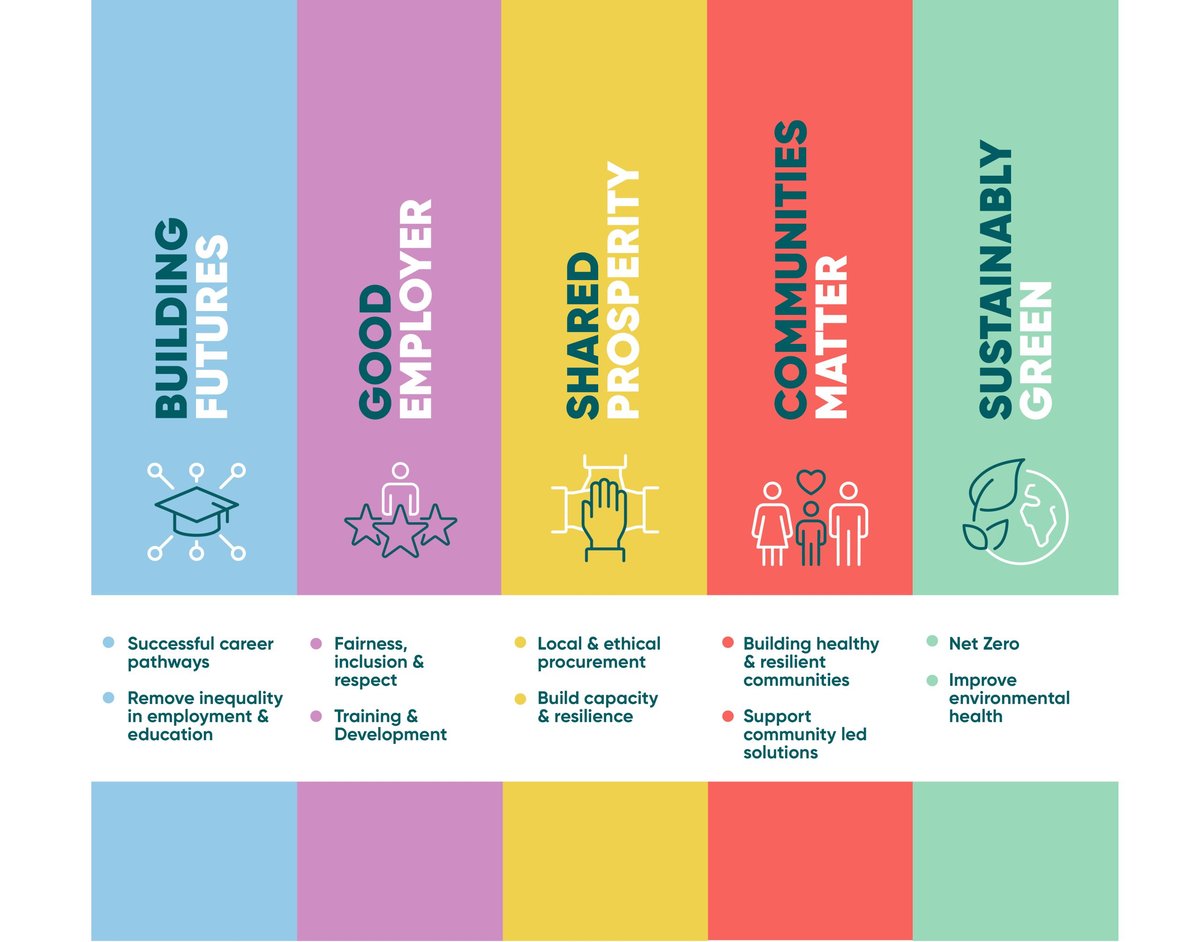
The business world has changed. Once seen as a peripheral "nice-to-have," Groundbreaking Themes & Social Impact have roared into the core strategy of today's most successful and resilient organizations. This isn't about charity anymore; it's about embedding purpose so deeply that it shapes products, culture, and profitability. Businesses are realizing that doing good isn't just good for society—it's essential for sustained growth and relevance in a world hungry for authenticity.
At a Glance: Your Guide to Social Impact in Business
- Beyond CSR: Social impact is no longer just corporate philanthropy; it’s an integrated business strategy.
- Driving Forces: Consumer demand, employee expectations, and investor pressure are pushing purpose to the forefront.
- Key Themes: Environmental sustainability, social justice, equitable access, and ethical technology are shaping new business models.
- Tangible Benefits: Organizations realize improved brand reputation, talent attraction, innovation, and long-term financial resilience.
- Actionable Steps: Learn how to define your purpose, align with strategy, measure impact, and avoid common pitfalls like "impact washing."
- Pioneering Examples: Discover how companies like Patagonia, Warby Parker, and innovative nonprofits like GiveDirectly are redefining what's possible.
The New North Star: Why Social Impact Isn't Optional Anymore
For decades, the primary directive for businesses was clear: maximize shareholder value. While profitability remains crucial, a seismic shift has occurred. We're witnessing a profound evolution where organizations are increasingly held accountable not just for their financial returns, but for their contribution to society and the planet. This isn't merely about ticking boxes or sporadic charitable donations; it's about embedding social impact into the very DNA of an organization.
This fundamental change isn't a fleeting trend; it’s a direct response to evolving market dynamics. Consumers, especially younger generations, are scrutinizing where they spend their money, preferring brands that align with their values. Employees, too, seek more than just a paycheck; they want to work for companies that make a meaningful difference, viewing purpose as a key driver of engagement and retention. Moreover, investors are increasingly factoring environmental, social, and governance (ESG) criteria into their decisions, recognizing that businesses with strong social impact initiatives are often more resilient and poised for long-term success.
Decoding Groundbreaking Themes: What's Driving Change?
The landscape of social impact is vast, but several Groundbreaking Themes consistently emerge as critical areas for today's purpose-driven organizations. These aren't just buzzwords; they represent urgent global challenges that businesses are uniquely positioned to address, often by innovating new solutions and business models.
Environmental Sustainability & Climate Action
Few themes are as pervasive or critical as environmental sustainability. This encompasses everything from reducing carbon footprints to promoting circular economies and protecting biodiversity. Companies are moving beyond simple recycling to rethinking entire supply chains and product lifecycles.
- Circular Economy: Brands like Seventh Generation don't just offer plant-based, eco-friendly household products; they advocate for systemic change, pushing for clean energy and climate action. Blueland exemplifies this by reducing single-use plastics with reusable containers and refill tablets.
- Sustainable Energy & Mobility: Tesla’s core mission is to accelerate the world’s transition to sustainable energy, fundamentally altering how we power our lives and move around. World Bicycle Relief enhances mobility and economic empowerment by providing bicycles, a simple yet powerful sustainable transport solution in many communities.
- Conservation & Reforestation: Ten Tree commits to planting ten trees for each product sold, directly contributing to global reforestation efforts. The Ocean Cleanup directly addresses the critical environmental crisis of plastic pollution in our oceans, impacting marine species and human health. Sand Cloud donates a portion of profits from its beach products to marine conservation nonprofits.
Social Justice, Equity & Community Development
Addressing systemic inequalities and fostering equitable access to resources is another paramount theme. This involves creating fairer systems, empowering marginalized communities, and championing diversity, equity, and inclusion (DEI).
- Equitable Access & Opportunity: Warby Parker's "buy one, give one" model provides glasses to those in need, addressing a fundamental health and education barrier. Cboe Empowers supports under-resourced students by providing access to its work environment and resources, fostering academic and professional growth. Develop for Good connects students, especially underserved and underrepresented ones, with nonprofits to develop technical products, bridging the digital equity gap while providing real-world experience. Code for America leverages human-centered design to transform public benefit delivery and criminal justice reform, creating user-friendly digital tools to help those most in need access vital services.
- Fair Labor & Ethical Sourcing: The Body Shop has long campaigned against animal testing, pushing for ethical practices in the beauty industry. Thread International transforms plastic waste into fabric, creating economic opportunities in developing countries while addressing pollution.
- Community Building: Habitat for Humanity provides homes for families in need, building communities from the ground up. The Skatepark Project, founded by Tony Hawk, builds skateparks for youth, offering safe spaces for recreation and community connection.
Health, Well-being & Basic Needs
Ensuring fundamental human needs are met, and promoting physical and mental well-being, is a powerful driver for impact-driven organizations.
- Clean Water & Sanitation: Charity: Water is dedicated to providing clean water access globally. LifeStraw offers portable clean drinking water solutions, particularly vital in emergency situations. Hand in Hand Soap supports clean water and hygiene projects with every purchase.
- Food Security: Goodr fights food waste and hunger by redirecting surplus food to those in need. The FarmLink Project, a student-led initiative, has rescued millions of pounds of surplus food, bridging the gap between excess and need. Heifer International promotes sustainable agriculture to address food insecurity and poverty.
- Healthcare Access: Smile Train provides life-changing cleft palate surgery for children around the world.
- Disease Prevention & Support: Love Your Melon supports pediatric cancer initiatives through its product sales.
Education & Skill Development
Investing in education and skill-building empowers individuals and strengthens communities, fostering long-term social and economic progress.
- Global Education: Pencils of Promise focuses on building schools and providing quality education for children in developing countries.
- Digital Skills & Workforce Development: IBM's SkillsBuild Program offers free online learning to help individuals gain critical tech skills, addressing the widening skills gap in the global workforce.
From Vision to Action: How Organizations Embed Impact
The most impactful organizations don't just talk about purpose; they integrate it into every facet of their operations. This requires innovative strategies that go beyond traditional corporate social responsibility (CSR) models.
Integrated Business Models: Purpose as a Core Product
For many leading organizations, social impact isn't an add-on; it's the very reason for their existence and central to their product or service.
- Patagonia: Donates 1% of annual sales to environmental nonprofits and champions product repair over replacement, actively encouraging customers to consume less. Their entire business model is predicated on environmental stewardship.
- Newman's Own: Donates 100% of its profits to charity, a radical approach that has generated hundreds of millions for various causes since its inception.
- Seventh Generation: Their plant-based, sustainable products are designed to minimize environmental harm, and they actively advocate for systemic change related to climate and clean energy.
Strategic Philanthropy & Giving Models
While donations have a long history, innovative approaches make giving more impactful and scalable.
- "Buy One, Give One": Warby Parker pioneered this model, donating a pair of glasses for every pair sold. Conscious Step applies a similar model, selling "Socks That Give Back" to support various causes.
- Direct Impact Programs: Lush operates a Charity Pot Program, funding grassroots organizations working on environmental justice, animal welfare, and human rights.
- Microloans & Crowdfunding: Kiva facilitates microloans for entrepreneurs in underserved communities, fostering economic development. Kickstarter empowers creative projects by connecting creators with funding from a global community.
Employee Engagement & Skill-Based Volunteering
Engaging employees in social impact initiatives not only fosters a stronger culture but also leverages valuable skills for greater good.
- Mentorship & Access: Cboe Empowers provides under-resourced students with direct access to Cboe's work environment and resources, offering mentorship and career development opportunities.
- Pro-Bono Tech Development: Develop for Good connects students with nonprofits to build technical products, offering real-world experience and Silicon Valley mentorship while addressing the digital needs of social impact organizations.
- Civic Tech Networks: Code for America mobilizes a national network of volunteers to apply their tech skills to civic problems, improving government services and public engagement.
Advocacy & Public Policy Engagement
Some organizations extend their impact by advocating for policy changes that align with their social and environmental missions.
- Environmental Policy: Seventh Generation actively lobbies for environmental issues, recognizing that systemic change requires policy shifts alongside product innovation.
- Animal Rights: The Body Shop's decades-long campaigns against animal testing have contributed significantly to legislative changes in various regions.
Customer Engagement & Lifestyle Impact
Involving customers in social impact efforts can create powerful movements and shift consumer behavior.
- "Opt Outside": REI famously closes on Black Friday, encouraging customers to spend time outdoors rather than shopping, reinforcing its brand values and promoting well-being.
- Purpose-Driven Products: Cotopaxi’s "Gear for Good" initiative designs sustainable outdoor gear and donates a portion of profits to alleviate poverty, engaging customers who value adventure and impact. SoulCycle provides "SoulScholarships," making fitness accessible to more individuals.
Innovative Funding & Direct Aid Models
Rethinking how aid is delivered can dramatically increase efficiency and effectiveness.
- Cash Transfers: GiveDirectly bypasses traditional aid models by sending cash directly to recipients, ensuring 90% of every dollar reaches those in need. Studies consistently show these transfers effectively reduce poverty and lead to sustained increases in income and well-being.
- Entrepreneurial Philanthropy: Newman's Own's model of donating 100% of profits is a prime example of leveraging commercial success for maximum social good.
Case Studies in Groundbreaking Impact
Let’s look at some organizations that are truly pushing the boundaries of social impact, demonstrating innovative approaches and measurable results.
GiveDirectly: Rethinking Aid with Direct Cash Transfers
Imagine giving money directly to those living in extreme poverty, trusting them to know best how to use it. That’s the groundbreaking premise of GiveDirectly. Bypassing layers of bureaucracy, they ensure roughly 90 cents of every dollar donated reaches recipients. This direct approach has been rigorously studied, with results consistently showing it effectively reduces poverty, increases incomes, and improves well-being. Funded by a diverse base including Google and USAID, GiveDirectly proves that sometimes the most straightforward solution is the most revolutionary.
Develop for Good: Bridging Tech Talent and Social Needs
The digital divide is real, and many nonprofits struggle to access the technical talent needed to scale their impact. Enter Develop for Good. This innovative organization connects underserved and underrepresented students in tech with nonprofits to develop crucial technical products. Students gain invaluable real-world experience and mentorship from Silicon Valley tech leaders, while nonprofits receive custom-built solutions for literacy, climate, healthcare, and community support. It’s a win-win that promotes digital equity and empowers the next generation of tech leaders.
The Ocean Cleanup: Engineering Solutions for a Global Crisis
The sheer scale of ocean plastic pollution is daunting, impacting marine species, incurring billions in costs, and posing human health risks. The Ocean Cleanup tackles this challenge head-on with an audacious goal: rid the world’s oceans of plastic. Their innovative engineering solutions, from passive collection systems to river interceptors, aim to capture and remove plastic before it reaches the open sea. It's a bold, technologically driven approach to one of humanity's most pressing environmental problems.
Code for America: Human-Centered Design for Public Services
Government services can often be clunky, inefficient, and difficult to navigate, particularly for vulnerable populations. Code for America steps in to transform public benefit delivery and criminal justice reform through human-centered design. They partner with federal and state agencies, applying modern technology and user experience principles to create digital tools that are intuitive and accessible. From helping people apply for tax benefits to simplifying court processes, they make government work better for everyone, driving systemic change from the inside out.
The FarmLink Project: Students Fighting Food Waste and Hunger
Born out of the urgency of the COVID-19 pandemic, The FarmLink Project was founded by college students in April 2020. They saw a glaring inefficiency: farmers had surplus food, yet communities faced increased hunger. This project brilliantly bridges that gap, connecting farms with excess produce to food banks and communities in need. Having rescued over 250 million pounds of surplus food, they've not only fed people but also mitigated a significant amount of carbon emissions. It’s a powerful example of how grassroots innovation can tackle complex problems with incredible speed and scale.
The ROI of Purpose: Benefits Beyond Buzzwords
Investing in Groundbreaking Themes & Social Impact isn't just about altruism; it delivers tangible returns that strengthen an organization's bottom line and ensure its longevity.
Enhanced Brand Reputation and Customer Loyalty
In an age of conscious consumerism, a strong commitment to social impact resonates deeply with customers. Brands like Patagonia and The Body Shop have built fiercely loyal followings precisely because their values are clear and consistently demonstrated. This translates into repeat business, positive word-of-mouth, and a strong competitive edge. People want to buy from companies they trust and admire, and purpose builds that trust.
Attracting and Retaining Top Talent
Today's workforce, especially millennials and Gen Z, actively seeks employers whose values align with their own. A company with a compelling social mission becomes a magnet for top talent, offering employees a sense of purpose beyond their daily tasks. This not only aids in recruitment but significantly improves retention, as employees are more engaged and less likely to seek opportunities elsewhere. Think of organizations like IBM offering their SkillsBuild program, empowering employees while extending their impact.
Innovation and New Market Opportunities
Focusing on social and environmental challenges often sparks innovation. Companies are driven to create new, sustainable products, develop efficient processes, and explore untapped markets to address unmet needs. Tesla's relentless pursuit of sustainable energy solutions is a prime example of how a purpose-driven mission can lead to revolutionary products and entirely new industries. Similarly, companies like Blueland are innovating in sustainable product design, tapping into growing demand for eco-friendly alternatives.
Risk Mitigation and Resilience
Organizations that proactively address social and environmental concerns are better positioned to mitigate risks. This includes regulatory risks (e.g., carbon taxes, environmental fines), reputational risks (e.g., negative press from unethical practices), and supply chain disruptions. A well-integrated social impact strategy builds resilience, helping companies navigate economic downturns and societal shifts more effectively.
Long-Term Financial Performance
While often seen as a cost, social impact can drive long-term financial performance. Studies increasingly show a positive correlation between strong ESG performance and financial returns. Purpose-driven companies often enjoy lower cost of capital, stronger investor confidence, and greater operational efficiency due to sustainable practices. Ultimately, a purpose-driven approach fosters a more sustainable and profitable business model. It's not just about today's profits, but about building value for tomorrow, much like focusing on long-term sustainability rather than short-term gains. Explore The Golden Girls legacy for an interesting perspective on how long-term cultural impact can defy initial expectations, showing that enduring value comes from deeper roots than fleeting trends.
Navigating the Landscape: Common Pitfalls and How to Avoid Them
While the drive for social impact is laudable, organizations must navigate the journey carefully to ensure authenticity and effectiveness. Overlooking these common pitfalls can lead to wasted resources, reputational damage, and, most importantly, a failure to achieve genuine impact.
Greenwashing or Impact Washing
This is perhaps the most significant pitfall. "Greenwashing" occurs when a company deceptively markets its products or policies as environmentally friendly, without genuine sustainable practices to back it up. "Impact washing" broadens this to any social claim. To avoid this, ensure your claims are:
- Authentic: Rooted in your core values and business.
- Measurable: Backed by clear data and transparent reporting.
- Integrated: Part of your operations, not just marketing.
Lack of Authenticity or Integration
Social impact efforts must be genuine and deeply integrated into an organization's strategy and culture. If it feels like an afterthought or a separate department's responsibility, employees and customers will see through it. Ensure leadership champions the cause, and employees are empowered to contribute. Your purpose should be reflected in your mission statement, hiring practices, product development, and customer interactions.
Ignoring Stakeholder Feedback
True impact means understanding the needs of all stakeholders: employees, customers, suppliers, and especially the communities you aim to serve. Without genuine engagement and listening, initiatives can miss the mark or even cause unintended harm. Actively seek feedback, conduct thorough needs assessments, and be prepared to adapt your strategies based on what you learn from those directly affected.
Measuring the Wrong Things (or Nothing at All)
The adage "what gets measured gets managed" is particularly true for social impact. Vague goals like "making the world a better place" are inspiring but unhelpful. Define clear, measurable goals and key performance indicators (KPIs) for your social impact initiatives. Focus on outcomes, not just outputs. For example, instead of just reporting hours volunteered (output), measure the tangible results of that volunteering (outcome), such as improved literacy rates or reduced carbon emissions.
Short-Term vs. Long-Term Thinking
It's easy to focus on quick wins and immediate headlines. However, groundbreaking social impact often requires a long-term perspective and sustained commitment. Be prepared for initiatives that may not yield immediate financial returns but build significant brand equity, societal value, and resilience over time. Patience and persistence are key to tackling complex challenges.
Your Roadmap to Purpose: Practical Steps for Impact Integration
Ready to infuse your organization with Groundbreaking Themes & Social Impact? Here’s a practical roadmap to help you move from aspiration to actionable, measurable impact.
1. Define Your "Why": Core Purpose & Values
Start by looking inward. What societal or environmental problem does your organization feel most compelled to address? What unique capabilities do you possess to tackle it? This isn't just about marketing; it's about articulating a genuine, deeply held purpose that resonates with your identity.
- Ask: What unique value can we bring to a social or environmental challenge that genuinely aligns with our business?
- Example: For Tesla, it's accelerating the world's transition to sustainable energy, directly tied to its product.
2. Conduct a Stakeholder Analysis: Who Matters Most?
Identify all individuals and groups affected by or interested in your organization's activities. This includes employees, customers, suppliers, investors, local communities, and beneficiaries of your social initiatives. Understand their needs, concerns, and potential contributions.
- Action: Engage in surveys, interviews, and focus groups with key stakeholders.
- Consider: What are the diverse perspectives on the issues you aim to address?
3. Align with Business Strategy: Integrate, Don't Isolate
Your social impact strategy shouldn't be a separate, siloed initiative. It needs to be woven into your core business strategy, product development, operations, and culture. When impact is integrated, it becomes a driver of innovation and competitive advantage, not just a cost center.
- Strategy: Identify opportunities where purpose can drive business objectives (e.g., sustainable sourcing reducing costs, community engagement improving talent acquisition).
- Example: Patagonia's environmental advocacy is integrated into its design philosophy and supply chain.
4. Set SMART Goals and Metrics: Measure What Matters
Define specific, measurable, achievable, relevant, and time-bound (SMART) goals for your social impact initiatives. Establish clear KPIs that demonstrate progress toward these goals, focusing on actual outcomes rather than just activities.
- KPIs: Track metrics like carbon emission reductions, number of lives impacted, diversity metrics, or employee volunteer hours and their results.
- Tool: Utilize frameworks like the UN Sustainable Development Goals (SDGs) to guide your goal setting.
5. Engage Employees and Leadership: Build a Culture of Purpose
Social impact thrives when it's championed from the top down and embraced from the bottom up. Secure leadership buy-in and empower employees to get involved, volunteer their skills, and contribute ideas. A culture of purpose makes your efforts more sustainable and impactful.
- Actions: Create employee volunteer programs, skill-based volunteering opportunities (like those fostered by Develop for Good), and internal communication campaigns.
- Leadership: Ensure senior leaders visibly champion and participate in social impact initiatives.
6. Communicate Transparently: Share Your Journey (Good & Bad)
Authenticity builds trust. Communicate your social impact goals, progress, challenges, and lessons learned openly and honestly. Avoid exaggeration or selective reporting. Transparency fosters accountability and builds stronger relationships with all stakeholders.
- Reporting: Publish annual impact reports (like Patagonia or Newman's Own).
- Channels: Use your website, social media, and internal communications to share updates.
7. Iterate and Learn: Continuous Improvement
The social and environmental landscape is constantly evolving. Treat your social impact strategy as a living document, subject to continuous review, evaluation, and improvement. Learn from both successes and failures, and be willing to adapt your approach.
- Process: Regularly review your impact data against your SMART goals.
- Adapt: Be prepared to pivot initiatives based on new insights or changing circumstances.
By embracing these steps, organizations can move beyond fleeting trends and build lasting, meaningful change that benefits both society and their bottom line. The era of purpose-driven organizations isn't just here; it's defining the future of business.
Building a Legacy of Impact
The journey toward integrating Groundbreaking Themes & Social Impact into your organization is a profound one. It's a commitment to a future where business success is inextricably linked with societal progress and environmental stewardship. This isn't just about fulfilling a moral obligation; it's about unlocking new avenues for innovation, attracting and retaining the brightest minds, building unwavering customer loyalty, and ultimately, ensuring the long-term viability and relevance of your enterprise.
The examples we've explored, from Patagonia's unwavering environmental advocacy to GiveDirectly's disruptive approach to poverty alleviation, illustrate a powerful truth: true impact comes from integrating purpose at every level. It demands authenticity, transparency, and a relentless focus on measurable outcomes. Your organization has the potential to be a force for good, not just by being profitable, but by actively contributing to a more equitable and sustainable world. The question isn't if you should embark on this journey, but how you will define your unique contribution and start building your legacy of impact today.